“I hate my body!”, “My body is against me!” “What’s wrong with me?”
I hear these things from clients time and time again when they first walk through the door of my clinic. I understand, They have been suffering with chronic pain, PTSD, chronic stress symptoms and the cycle of symptoms and failed treatments can feel never ending.
Yet this is far from the perspective I adopt when I look at recovery and I am not alone.
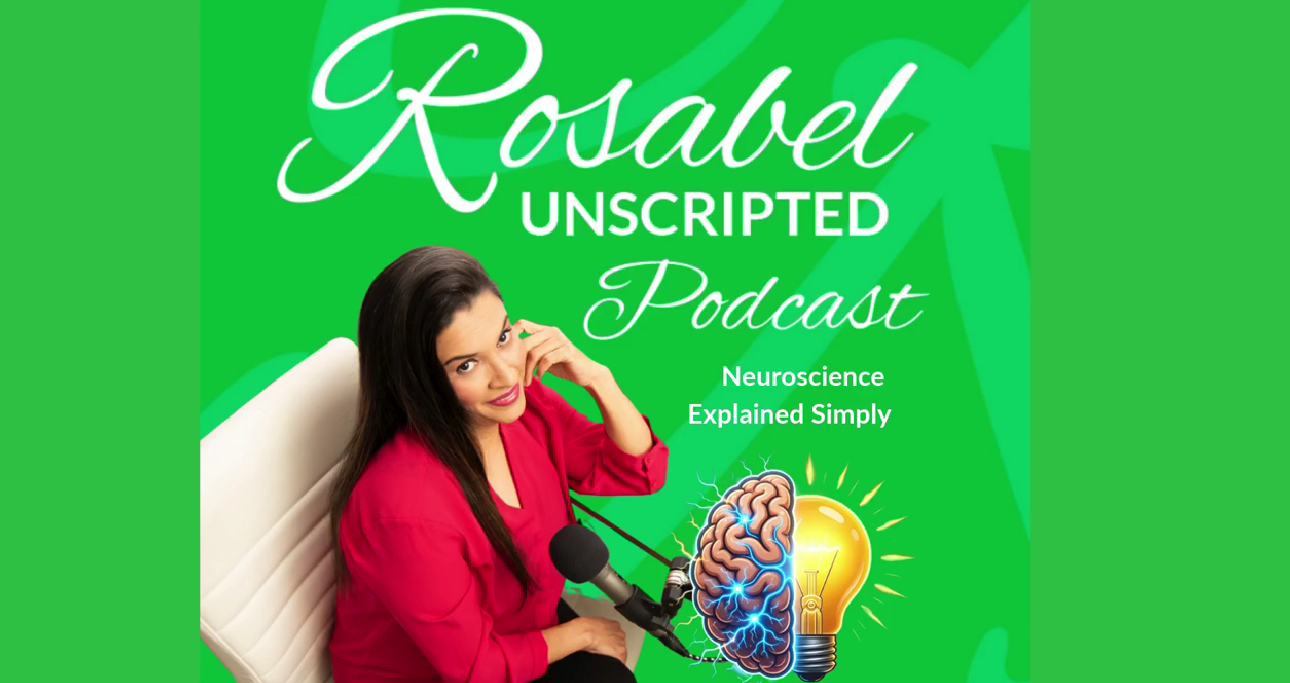
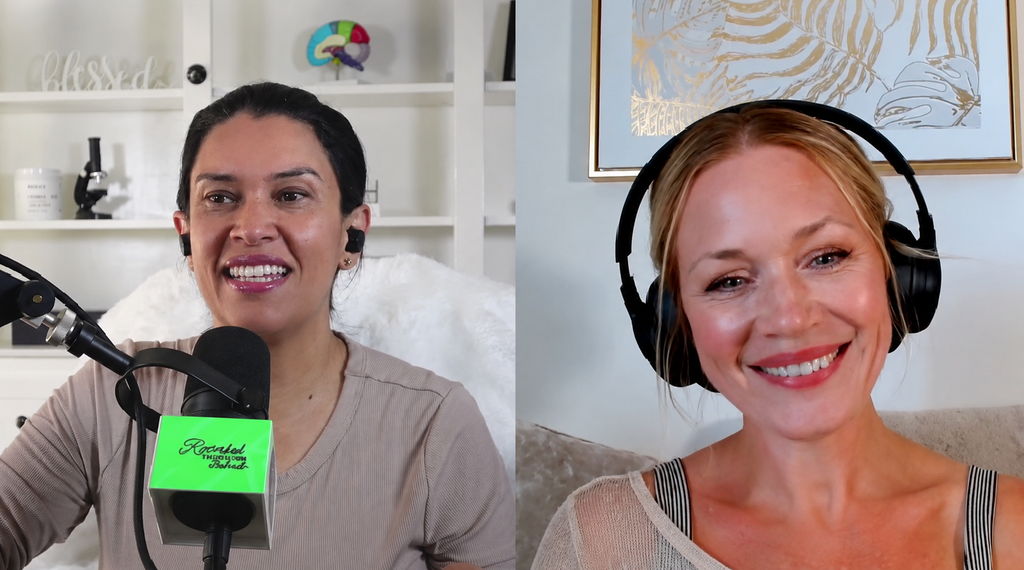
I recently joined Rosabel Unscripted to discuss chronic pain, my recovery from fibromyalgia & PTSD and the thinking behind Bio Coding™.
At the heart of our conversation was a shift that has shaped my work: from asking, “Why is my body against me?” to asking:
“What is my body adapting to?”
I sat down with Rosabel Zohfeld to explore this further. I had been on the podcast circuit for about a month, and this was one of the conversations I was most looking forward to. Neuroplasticity and its role in recovery are a particular passion of mine, so when we connected through PodMatch, I was excited to discuss these ideas with someone working directly in neurology.
Rosabel is a neurology nurse practitioner, neuroscience educator and author. Drawing on her clinical experience with people and families navigating neurological conditions, she makes the brain and nervous system accessible and understandable. That combination of clinical knowledge and clear communication made this a particularly valuable opportunity to explore my approach.
Here are some important ideas we explored
- The body is not against you—it’s trying to continue. Understanding symptoms means considering how the body has adapted to demands, rather than assuming every uncomfortable response represents a separate failure.
- Load versus resources. I look at the cumulative demands on a body alongside the resources available to manage them—including sleep, nourishment, support and opportunities for recovery. Identifying where demands exceed those resources is a starting point for supporting recovery.
- All branches of the tree lead to the same roots. Pain, fatigue, poor sleep, anxiety and digestive difficulties may appear to be separate problems and are often treated individually. But they belong to one interconnected body. We look at how those symptoms relate and what may be contributing to them—a holistic approach in the truest sense of the word.
- The language of the body. Movement is fundamental to how the body functions—even thinking involves the movement of ions and neurotransmitters as nerve cells communicate. Our conversation explored movement beyond gym work and exercise: spontaneous, variable, body-led movement, and how mechanical input influences cells and the nervous system.
- Recovery should build autonomy. My aim is to help people with Chronic pain and other complex illnesses understand their own responses and make informed choices without becoming dependent on a practitioner. They should be the director of their health, choosing how practitioners and treatments support them—not merely passive recipients of care.
Why I look at the outliers
My own recovery from fibromyalgia changed the questions I asked.
What bridges the gap between the theory and lived reality of recovery?
I wanted to understand the people who recovered from conditions they had been expected to live with. What was different about them? What had changed? What helped? What could their experience teach us?
Averages tell us something useful about populations, but we can become fixated on them as definite outcomes for individuals. They cannot tell us everything about the person sitting in front of us. An individual recovery does not establish a universal solution, but it gives us valuable information worth investigating.
As practitioners, clinicians and therapists, we need to remain humble. The body has complex systems for adaptation and repair, and our understanding of their capabilities—and limitations—is still developing.
That curiosity continues to shape Bio Coding.
Rosabel’s reflection on our conversation
After our interview, Rosabel wrote an incredible companion article. She is perhaps the first person to grasp Bio Coding so thoroughly that reading her explanation felt as though she had developed the model herself.
She brought its principles together with intelligence and clarity, translating them into small, meaningful changes readers can begin making in their own lives. She understood both the philosophy and its practical relevance.
For me, that reflects more than clinical experience. It reveals an insightful, pioneering mind—someone willing to ask what the body may be capable of beyond the boundaries we currently understand. That shared curiosity made our conversation particularly meaningful.
Watch the full conversation
Watch my interview with Rosabel Unscripted on YouTube.
What can you take from this into your own recovery?
You don’t need to change everything at once. Start with one question and one manageable action.
- Change the question. When you catch yourself thinking, “My body is against me,” ask instead, “What demands is my body responding to—and what support might it need?” Notice whether that changes how you approach the problem.
- Look at your load and resources together. Make two short lists: what drains you and what replenishes you. Include physical demands, work, responsibilities, sleep, nourishment and support. Where could you reduce one demand or strengthen one resource?
- Notice variation. When are symptoms quieter? What is different on those days? A better day may offer useful clues—not proof of a cause, but something worth exploring.
- Choose one small change. Ask for help with a task, protect a break or make a demanding routine more manageable. Notice what happens to your comfort, energy and ability to do things that matter to you.
Recovery should not become another exhausting job. The starting point may be less about doing more and more about giving your body room to respond.
If these questions resonate with your own experience of persistent pain or fatigue, you are welcome to enquire about Bio Coding and discuss whether my approach could be a useful part of your support.